

sandblasted glass door panels
Pomiar za pomocą przyrządów pomiarowych w produkcji W każdym procesie produkcyjnym precyzja jest kluczowym elementem, który ma bezpośredni wpływ na jakość końcowego produktu. Aby osiągnąć wysoką jakość i zgodność z wymaganiami, przemysł często korzysta z różnorodnych narzędzi pomiarowych. Wśród nich szpilki pomiarowe (measuring pin gauges) odgrywają istotną rolę, zwłaszcza w kontroli wymiarów elementów mechanicznych. Czym są szpilki pomiarowe? Szpilki pomiarowe to specjalistyczne narzędzia wykorzystywane do pomiaru średnic otworów, rowków oraz różnych kształtów. Zazwyczaj wykonane są z materiałów o wysokiej twardości, takich jak stal narzędziowa lub węglo-stalowa. Ich konstrukcja pozwala na dokładne pomiary dzięki specyficznej geometrii, która umożliwia precyzyjne wprowadzenie szpilki do mierzonych elementów. Zastosowanie szpilek pomiarowych Szpilki pomiarowe znajdują zastosowanie w wielu dziedzinach przemysłu, w tym w motoryzacji, lotnictwie, produkcji maszyn oraz w rzemiośle. Używane są do 1. Kontroli jakości Pomiar wymiarów końcowych elementów maszyn jest niezbędny, aby upewnić się, że spełniają one określone normy i standardy jakości. 2. Testowania tolerancji Tolerancje są kluczowe w procesach produkcyjnych. Szpilki pomiarowe pomagają w ocenie, czy wymiary mieszczą się w zaakceptowanych granicach tolerancji. 3. Przygotowywania elementów do obróbki Przed przystąpieniem do kolejnych etapów produkcji zazwyczaj wymagane jest potwierdzenie, że wymiary są prawidłowe. Użycie szpilek pomiarowych pozwala na szybkie i efektywne wykonanie takich pomiarów. measuring pin gauge Jak działa proces pomiaru? Pomiar za pomocą szpilek pomiarowych odbywa się w kilku krokach 1. Wybór odpowiedniej szpilki W zależności od wymiaru, który ma być mierzony, wybiera się szpilkę o odpowiedniej średnicy. 2. Wprowadzenie szpilki Szpilka jest wprowadzana do otworu lub na powierzchnię, która ma być mierzona. Ważne jest, aby robić to z odpowiednim naciskiem, aby uniknąć uszkodzenia zarówno szpilki, jak i mierzonego elementu. 3. Odczyt pomiaru Na podstawie oporu, jaki stawia włożona szpilka, można ocenić, czy wymiar jest zgodny z wymaganiami. Jeżeli szpilka idealnie wchodzi do otworu, oznacza to, że wymiar jest właściwy. Jeżeli występuje opór, oznacza to, że wymiar jest mniejszy. Zalety stosowania szpilek pomiarowych Użycie szpilek pomiarowych ma wiele zalet. Po pierwsze, są one stosunkowo tanie w produkcji i łatwe w użyciu. Po drugie, pozwalają na szybkie i efektywne pomiary, co przyczynia się do zmniejszenia czasu kontroli jakości. Dodatkowo, ich zastosowanie prowadzi do zwiększenia dokładności produkcji, co przekłada się na mniejsze straty materiałowe i wyższą satysfakcję klientów. Podsumowanie Pomiar za pomocą szpilek pomiarowych jest kluczowym elementem w zapewnieniu wysokiej jakości produktów w różnych branżach przemysłu. Dzięki ich wszechstronności i efektywności, są one niezbędnym narzędziem w procesach produkcyjnych i kontrolnych. Warto inwestować w tego typu rozwiązania, aby osiągnąć lepsze wyniki i zminimalizować ryzyko błędów produkcyjnych.
about
sandblasted glass door panels
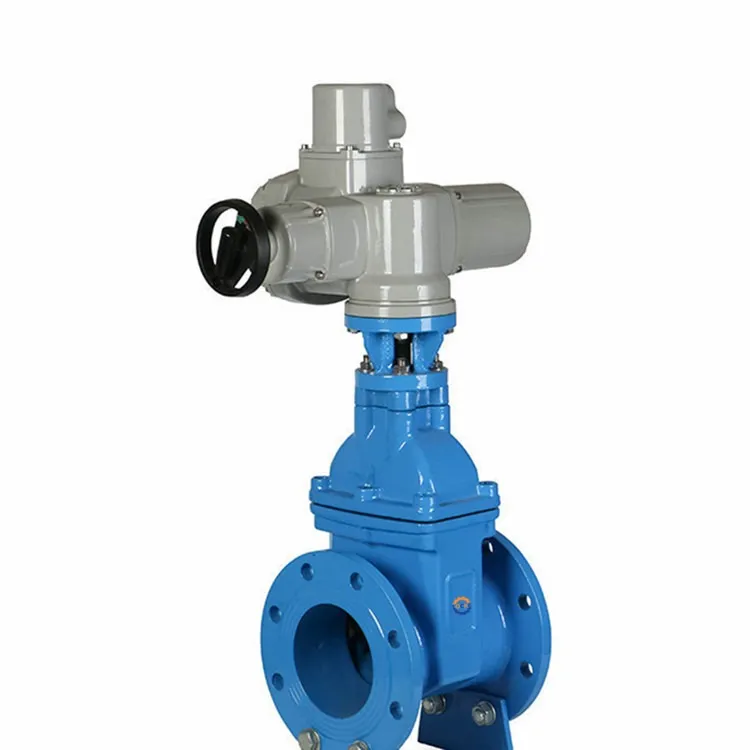
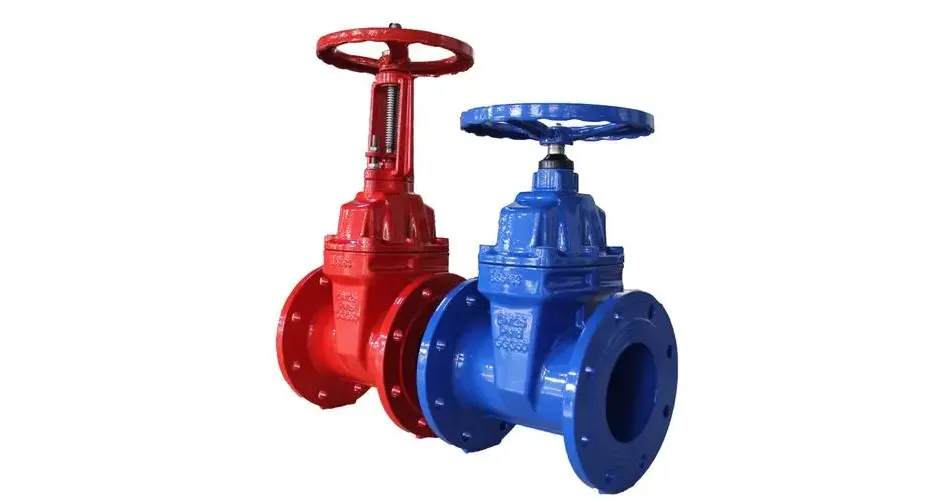
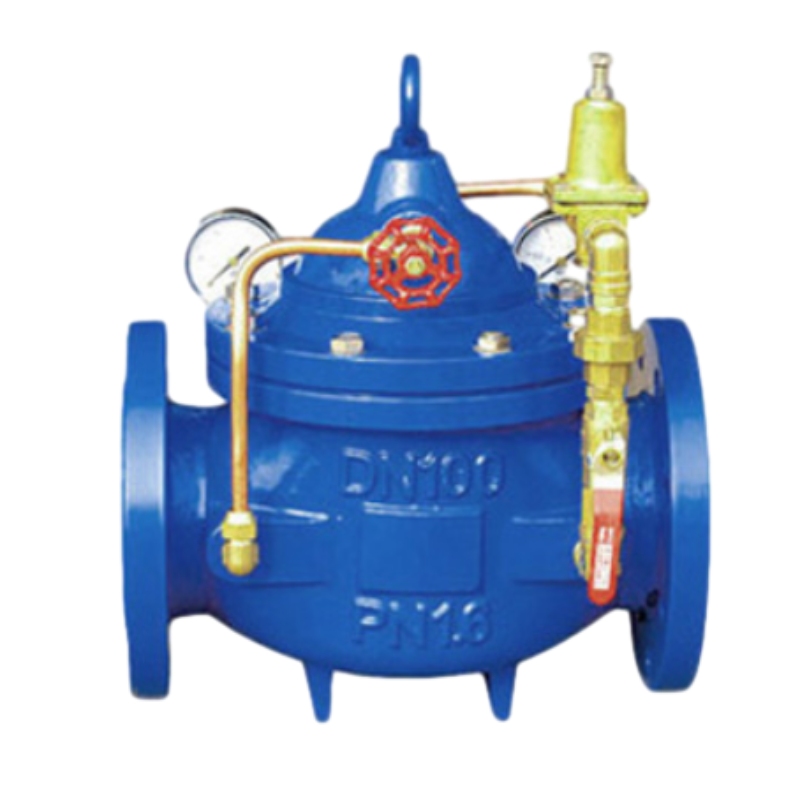
When it comes to industrial applications, gate valves are essential components designed to control the flow of fluids. Among the various types of gate valves, the soft seal gate valve and the hard seal gate valve are two distinct variations that serve specific purposes. Understanding their differences and applications can help engineers and decision-makers choose the right valve for their needs. Understanding Soft Seal Gate Valves A soft seal gate valve utilizes a flexible material, usually elastomeric, for its sealing surface. This design allows the valve to create a seal that effectively prevents leakage when closed. Soft seal gate valves are known for their ease of operation and maintenance, making them an attractive option in applications that require frequent valve actuation. The advantages of soft seal gate valves include: - Excellent Sealing Performance: The flexibility of the sealing material allows for tight sealing against fluid flow, reducing the risk of leakage. - Low Torque Operation: Soft seal designs often require less torque to open and close, facilitating smoother valve operation. - Cost-Effective: Generally, soft seal gate valves are more cost-effective to manufacture and purchase, making them a budget-friendly option for many projects. - Versatility: Suitable for various applications, including water, oil, and gas, where occasional throttling is acceptable. Exploring Hard Seal Gate Valves On the other hand, the hard seal gate valve features a rigid sealing surface typically made of metal or ceramic materials. This design provides enhanced durability and makes hard seal gate valves ideal for high-pressure and high-temperature applications. Key characteristics of hard seal gate valves include: - High Pressure and Temperature Resistance: The robust materials used can withstand severe conditions, making them suitable for challenging environments. - Longevity: Hard seal gate valves are built to last, reducing the frequency of replacements and contributing to lower maintenance costs in the long term. - Reduced Wear and Tear: The durable construction means they are less prone to damage from abrasive materials or extreme working conditions. - Suitable for Low Flow Applications: Hard seal gate valves excel in applications where fluid flow is minimal, requiring a reliable, leak-proof experience when fully closed. Choosing the Right Valve for Your Application When deciding between a soft seal gate valve and a hard seal gate valve, consider the specific requirements of your application: 1. Operating Conditions: If your application involves high-pressure or high-temperature fluids, the hard seal gate valve is likely the better option. Conversely, for standard conditions with infrequent use, a soft seal gate valve may suffice. 2. Frequency of Use: If the valve is intended for regular adjustments or maintenance, a soft seal design may offer improved ease of use. 3. Budget Considerations: Evaluate your project budget. Soft-seal gate valves are generally more affordable upfront, while hard-seal gate valves may yield savings over time due to their durability. 4. Fluid Type: Certain fluids may necessitate specific types of sealing materials. Ensure that the chosen valve material is compatible with the fluid to avoid degradation. In summary, both soft seal gate valves and hard seal gate valves possess unique features and advantages that cater to different industrial needs. Understanding their differences in terms of sealing mechanisms, operational characteristics, and applications is crucial for making an informed decision. By selecting the appropriate gate valve, you can enhance system functionality, ensure reliable fluid control, and optimize overall performance in your engineering applications.
-

High quality industrial productsagement

High quality industrial products
View Details -

Meet the diverse needs of customers

Meet the diverse needs of customers
View Details -

Strict quality control

Strict quality control
View Details -

Top raw materials

Top raw materials
View Details -

Trusted supplier

Trusted supplier
View Details
Our application


news and information
vee blocks
Understanding Vee Blocks Essential Tools in Precision Engineering In the realm of precision engineer
Versatile Clamping Kit for Welding Table Setup and Home Projects
The Importance of a Welding Table Clamp Kit Welding is a skill that requires precision, control, and
v bloková cena
V současné době se v oblasti kryptoměn stále více hovoří o různých aspektech cen a jejich vlivu na t
 English